A commercial audio system is essential for businesses and public spaces, providing high-quality sound for communication, background music, and public announcements. Whether used in retail stores, restaurants, offices, or educational institutions, these systems contribute to creating an engaging and functional environment. A well-designed commercial speaker system ensures clear audio coverage, enhances customer experiences, and supports effective business operations.
Unlike domestic setups, commercial sound system installation must accommodate larger spaces, varying acoustics, and multiple audio sources. This requires careful planning to ensure even sound distribution and minimal interference. From playing background music in a café to making emergency announcements in a shopping centre, a commercial sound system plays a crucial role in delivering clear and reliable audio across different applications.
Importance of Professional Installation
Proper commercial sound system installation is vital to achieving consistent sound quality and system reliability. Unlike small-scale setups, commercial environments often require complex configurations involving multiple speakers, amplifiers, and control units. A professional installer ensures that all components are correctly positioned and configured for optimal performance.
Acoustic challenges, such as echo in open-plan offices or noise interference in industrial settings, require specialist knowledge. A professionally installed commercial audio system is designed to overcome these issues by incorporating zoning, equalisation, and soundproofing techniques where necessary. Additionally, compliance with UK regulations on sound levels and safety standards must be considered during installation.
A poorly installed commercial speaker system can lead to audio distortion, uneven sound distribution, and technical faults, reducing its effectiveness. By employing experts, businesses can ensure a reliable setup that functions efficiently over time, minimising disruptions and maintenance costs. Professional installation also futureproofs the system, allowing for potential upgrades and expansions as business needs evolve.
Components of a Commercial Sound System
A commercial audio system consists of multiple components working together to deliver clear, high-quality sound across different environments. Each element plays a crucial role in ensuring effective sound distribution and system control.
Speakers
The choice of speakers depends on the type of commercial setting and its specific audio requirements. Ceiling speakers are commonly used in retail stores and restaurants, offering discreet installation while providing even sound coverage. Wall-mounted speakers are ideal for spaces requiring directional audio, such as conference rooms and public address systems. For outdoor applications, weatherproof speakers are necessary to withstand varying environmental conditions while maintaining sound clarity. A well-planned commercial speaker system ensures that audio is distributed effectively, avoiding dead zones or excessive volume in certain areas.
Amplifiers
Amplifiers are responsible for powering speakers and ensuring consistent sound quality. The right amplifier selection depends on the number of speakers, their power ratings, and the size of the area covered. In a commercial music system, amplifiers help balance sound levels across different zones, preventing distortion while ensuring adequate volume. Some systems integrate multi-zone amplifiers, allowing different areas to have independent volume controls.
Mixers and Controllers
A commercial sound system often requires multiple audio sources, such as microphones, background music, and announcement inputs. Mixers and controllers manage these inputs, ensuring seamless transitions and clear output. Digital controllers allow for preset configurations, making it easy to adjust sound levels and audio routing across different zones.
Microphones
Microphones are crucial for commercial sound system installation, particularly in venues requiring speech reinforcement. Wired microphones are commonly used in fixed locations, such as podiums and conference rooms, providing reliable sound quality with minimal interference. Wireless microphones offer greater mobility, making them ideal for presentations, live events, or hospitality settings where staff need to move freely while communicating.
Types of Commercial Audio Systems
Different businesses require tailored commercial audio systems to suit their specific needs. Each type of system is designed to deliver audio effectively in its intended environment.
Background Music Systems
A commercial music system is widely used in retail stores, restaurants, hotels, and offices to create a pleasant atmosphere. These systems provide continuous, low-volume background music that enhances customer experience without overpowering conversation. Many setups allow different music zones, enabling businesses to customise audio settings for various areas.
Public Address Systems
Public address (PA) systems are essential for broadcasting announcements in large spaces such as shopping centres, transport hubs, and educational institutions. These systems include microphones, amplifiers, and strategically placed speakers to ensure clear voice transmission. A well-installed commercial audio system allows messages to be heard consistently across all areas, even in noisy environments.
Intercom Systems
Used in offices, warehouses, and industrial facilities, intercom systems support internal communication by allowing staff to send messages between different areas. These systems can be wired or wireless, with options for two-way communication. They play an important role in improving operational efficiency and workplace coordination.
Emergency Notification Systems
A commercial speaker system designed for emergency notifications is vital for safety in public spaces. These systems provide real-time alerts for fire alarms, security breaches, or evacuation procedures. Integrated with emergency protocols, they ensure that critical announcements are delivered quickly and clearly across all necessary zones.
A well-planned commercial sound system installation takes into account the intended application, ensuring that the right type of system is implemented for maximum effectiveness.
Applications Across Various Sectors
A well-designed commercial sound system is essential in a variety of industries, providing audio solutions tailored to specific business requirements. From background music to public announcements, these systems support functionality and customer experience across different sectors.
Hospitality
Hotels, restaurants, and bars rely on commercial music systems to create the right atmosphere. Background music can influence guest experiences, setting a relaxing tone in a hotel lobby or providing energy in a lively bar. Clear audio is also essential for announcements, such as restaurant table calls or hotel event updates. Multi-zone systems allow businesses to control music volume and style across different areas, ensuring a consistent and enjoyable experience for customers.
Retail
A commercial speaker system in a retail environment enhances the shopping experience by delivering music, advertisements, and promotional messages. Carefully placed speakers ensure even coverage without overpowering conversation, while integrated paging systems allow staff to make real-time announcements. A good commercial audio system can also contribute to branding by creating an immersive, memorable environment for customers.
Education
Schools, colleges, and universities require commercial sound systems to facilitate communication in classrooms, lecture halls, and outdoor areas. Public address systems are used for daily announcements, emergency alerts, and event coordination. Lecture halls and auditoriums benefit from amplified sound to ensure clear speech projection. Classroom sound systems can also be integrated with interactive teaching technologies for an improved learning experience.
Corporate
Office spaces use commercial audio systems for conference calls, presentations, and internal communication. Boardrooms and meeting rooms require clear sound transmission for video conferencing, while background music in reception areas can contribute to a professional and welcoming environment. Multi-zone systems enable businesses to tailor audio settings for different departments, ensuring effective communication without disruption.
Healthcare
Hospitals and clinics use commercial sound systems for patient communication, background music, and emergency announcements. In waiting areas, low-volume background music can create a calming atmosphere, while public address systems help staff coordinate operations efficiently. Emergency notification systems ensure that urgent messages reach all necessary areas instantly, improving overall safety and response times.
Considerations for System Design and Implementation
A commercial sound system installation must be carefully planned to ensure optimal performance and long-term reliability. Several factors influence the design and setup of a system, requiring businesses to consider functionality, scalability, and compliance.
Acoustic Assessment
Each commercial space has unique acoustic properties that affect sound distribution. Hard surfaces such as glass and concrete can cause echo, while large open areas may require additional speakers for even coverage. An acoustic assessment helps determine speaker placement, system power, and any necessary soundproofing to ensure clear audio without interference.
Scalability
Businesses should plan for future expansion when installing a commercial audio system. A scalable setup allows additional speakers, amplifiers, or zones to be integrated as the business grows. Modular systems with flexible connectivity ensure that companies can upgrade their audio infrastructure without requiring a complete overhaul.
Integration with Existing Infrastructure
A commercial sound system should be compatible with existing technology, such as security systems, fire alarms, and digital communication networks. Integrated systems allow seamless control from a centralised interface, improving efficiency. Wireless connectivity and remote access features can also enhance usability, allowing adjustments without manual intervention.
Compliance with Regulations
All commercial sound system installations in the UK must adhere to regulations concerning sound levels and public safety. Noise pollution guidelines dictate acceptable volume levels in public spaces, while emergency sound systems must meet legal requirements for clarity and reliability. Compliance ensures that businesses avoid legal complications while providing a safe and effective audio solution.
Considering these factors during system design helps create an effective and reliable commercial speaker system that meets the specific needs of a business while maintaining regulatory compliance and future-proofing capabilities.
Maintenance and Support
A commercial audio system requires ongoing maintenance to ensure reliable performance and longevity. Without regular servicing, components can degrade over time, leading to reduced sound quality, equipment failures, or system downtime. Routine maintenance helps businesses avoid costly disruptions while keeping their commercial speaker system operating efficiently.
Regular Inspections
Routine system checks are essential to identify potential issues before they cause failures. This includes testing speakers, amplifiers, and control equipment to ensure they are functioning correctly. Dust buildup, cable wear, and software malfunctions can impact performance, making regular inspections a key aspect of long-term system reliability.
Upgrades and Updates
Technology is constantly evolving, and businesses must keep their commercial sound systems up to date. Upgrading amplifiers, integrating modern control systems, or expanding speaker networks allows a system to remain efficient and meet changing business needs. Firmware and software updates can also improve performance, adding new features and enhancing overall system stability.
Troubleshooting Support
Even a well-installed commercial speaker system can encounter occasional technical issues. Access to professional support ensures that any faults are diagnosed and resolved quickly, minimising downtime. Having a service plan in place provides businesses with expert assistance when needed, reducing the risk of prolonged audio disruptions in critical environments such as retail stores, offices, or hospitality venues.
Conclusion
A properly designed and installed commercial sound system plays a crucial role in business operations, from delivering background music to providing clear public announcements. Each component, including speakers, amplifiers, and controllers, must be carefully selected and positioned to suit the specific needs of the commercial environment.
Different industries, such as hospitality, retail, education, corporate, and healthcare, rely on commercial audio systems to improve customer experiences and facilitate communication. Whether used for public address systems, intercoms, or emergency notifications, a well-integrated commercial speaker system ensures clear and consistent sound distribution.
Proper commercial sound system installation by professionals ensures optimal performance, compliance with UK regulations, and long-term reliability. Factors such as acoustic assessment, scalability, and integration with existing infrastructure must be considered during the planning stage. Ongoing maintenance, including regular inspections, upgrades, and professional troubleshooting support, helps businesses maintain high-quality audio performance while minimising disruptions.
Investing in a well-planned commercial audio system is essential for businesses that require reliable sound solutions. With the right design, installation, and maintenance, these systems contribute to operational efficiency and a better experience for customers, staff, and visitors alike.



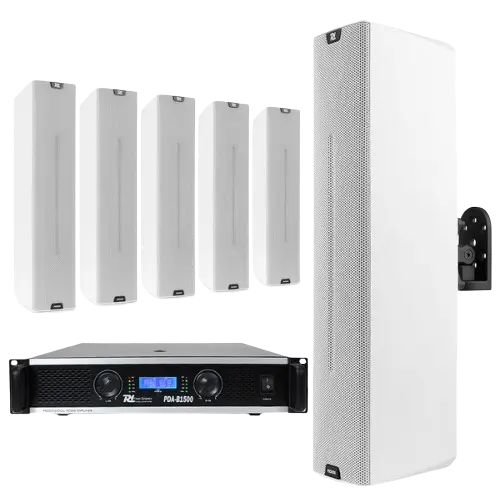
 In stockFonestar SCF-560P Conference Microphone With Built-In Speaker£249.00
 In stock8x PD PDCS403V Premium Column Speaker System with PRM360 Amp - Black£1,819.99
 In stock6x PD PDCS403V Premium Column Speaker System with PRM360 Amp - Black£1,450.00
 In stock4x PD PDCS403V Premium Column Speaker System with PRM240 Amp - Black£1,019.99
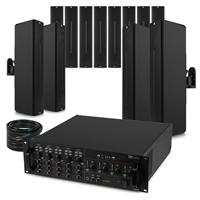 In stock4-Zone Matrix PA System with 12x PDCS403V Column Speakers - Black 100v£2,819.99