Hospitality music systems play a crucial role in shaping the atmosphere of commercial spaces, contributing to customer experience, brand identity, and overall ambiance. In hotels, restaurants, bars, and other hospitality environments, the right hospitality sound system helps create a welcoming environment that aligns with the business’s intended mood and service offering. Whether a venue requires subtle background music for hospitality or a dynamic multi-zone setup, the choice of hospitality audio equipment for sale is essential to achieving the desired effect.
A well-designed hospitality sound system ensures consistent audio coverage without overpowering conversation or disrupting the flow of activity. The right system can aid the dining experience in a restaurant, provide immersive audio in a hotel lobby, or support live entertainment in a function space. Businesses must consider factors such as audio distribution, volume control, and integration with existing technology when selecting a suitable system.
There is a wide range of options available, from compact wall-mounted speakers to large-scale distributed systems. Some venues may benefit from a hospitality IP audio system, which allows remote control and flexibility across multiple areas. Others may require more traditional wired solutions for reliable and high-quality sound delivery. This guide focuses on hospitality music systems for commercial settings, excluding cafes, and explores their benefits, functionality, and installation considerations.
The Role of Background Music in Hospitality Settings
Background music for hospitality significantly influences customer behaviour and perception. Carefully selected music improves the ambiance, reinforces brand identity, and contributes to a positive customer experience. Research has shown that music affects mood and spending habits, with different genres and tempos impacting customer dwell time and purchasing behaviour. In a high-end restaurant, soft instrumental music can encourage relaxed dining, while an upbeat playlist in a bar can create an energetic atmosphere.
Effective volume control is crucial in maintaining a comfortable sound environment. A hospitality sound system should allow for zoning, ensuring that different areas receive appropriate audio levels. For example, a hotel lobby may require gentle background music, while a function room needs more powerful sound reinforcement for events. Zoning also enables different music styles to be played in separate sections, catering to varied customer preferences and usage scenarios.
A well-planned audio system goes beyond speaker placement; it involves optimising acoustic coverage and minimising disruptions. Poorly balanced sound can lead to areas with excessive noise or sections where audio is barely audible. The expertise of a hospitality audio consultant can be valuable in designing a system that meets the specific needs of a venue, so be sure to get in touch if you have any questions. Consultants assess the layout, customer flow, and intended use of each space to recommend the most suitable hospitality music systems.
By investing in a high-quality hospitality audio system, businesses can create an inviting atmosphere, improve customer satisfaction, and maintain a professional sound environment tailored to their operational requirements.
Types of Hospitality Music Systems
There are several types of hospitality music systems, each suited to different venue requirements. Choosing between wired and wireless setups, single-zone and multi-zone configurations, and streaming options can impact the efficiency and flexibility of an audio system. Selecting the right combination ensures consistent sound distribution while meeting the specific needs of the business.
Wired vs. Wireless Systems
Wired hospitality sound systems offer a reliable audio connection with minimal interference, making them ideal for permanent installations. They are less susceptible to signal dropouts and provide high-quality audio transmission, particularly in large venues. However, installation can be more complex, requiring concealed cabling and professional setup.
Wireless systems provide greater flexibility, allowing speakers and audio sources to be repositioned without rewiring. This makes them suitable for venues with changing layouts or those needing quick installation. However, wireless setups may experience connectivity issues in areas with high electronic interference, and they typically require stable network infrastructure.
Single-Zone vs. Multi-Zone Systems
A single-zone hospitality audio system delivers the same audio across the entire space, making it suitable for smaller venues with uniform acoustic needs. While straightforward and easy to manage, it does not provide the flexibility required for different sections of a large venue.
Multi-zone hospitality music systems allow different audio sources to be played in separate areas, such as different sections of a restaurant or bar. This ensures that music levels and genres can be adjusted based on the function of each space. Volume control for individual zones also helps maintain an optimal sound balance across the venue.
Streaming and IP Audio Solutions
A hospitality IP audio system enables centralised control and network-based streaming, allowing businesses to manage audio remotely. These systems integrate with existing networks, offering automated scheduling, real-time adjustments, and easy content updates. IP audio is particularly beneficial for venues requiring multi-location management or seamless integration with smart technology.
Streaming solutions provide access to a wide range of digital content, enabling businesses to curate playlists that suit their branding and customer demographic. Many systems offer compatibility with online streaming platforms, ensuring continuous playback without manual intervention.
Amplifiers and Speaker Configurations
Matching amplifiers with the right speaker setup is essential for achieving balanced sound. Low-powered amplifiers may struggle to drive large speaker arrays, while overpowered setups can cause distortion. Common speaker configurations include ceiling speakers for even distribution, wall-mounted speakers for targeted audio, and column arrays for larger spaces needing uniform coverage. Selecting the right combination ensures a clear, immersive sound experience throughout the venue.
Choosing the Right Hospitality Audio Equipment
Selecting the right hospitality audio equipment for sale depends on venue size, speaker placement, and integration requirements. Each factor plays a role in achieving a professional and functional audio setup.
Venue Size & Layout
The size and layout of a venue determine the type of hospitality music system required. Small venues may benefit from a simple wall-mounted speaker setup, while larger venues often require a distributed audio system with multiple speakers and amplifiers. Multi-level or open-plan spaces require careful zoning to maintain consistent sound coverage without excessive volume in certain areas.
Speaker Placement & Types
Different speaker types suit various hospitality settings. Ceiling speakers provide discreet audio coverage, making them ideal for hotels and restaurants where background music is required without visible equipment. Wall-mounted speakers offer directional sound, useful in bars and lounges where music needs to be more focused. Column array speakers are designed for larger venues, offering broad and even sound dispersion, making them suitable for conference rooms and event spaces. Proper placement prevents audio dead spots and ensures a smooth listening experience.
Control Systems & Integration
Modern hospitality music systems can be integrated with touchscreen control panels, mobile apps, or automation systems for ease of use. Centralised control allows staff to adjust volume, switch between music sources, or create scheduled playlists. Some systems also integrate with smart lighting or digital signage, providing a cohesive multimedia experience.
Choosing the right hospitality audio equipment for sale ensures that businesses can create an immersive sound environment that aligns with their branding and customer needs. Whether a simple background music system or a fully networked hospitality IP audio system, professional planning and high-quality components contribute to long-term reliability and performance.
Installation Considerations
Proper installation of hospitality music systems is essential for achieving reliable performance and avoiding technical issues. Factors such as wiring, connectivity, zoning, and professional setup all contribute to the overall efficiency of an hospitality sound system.
Wiring & Connectivity
A well-planned wiring system ensures stable connectivity and minimises interference. For wired systems, high-quality shielded cables reduce the risk of signal loss and prevent audio distortion. Proper cable routing also prevents hazards and ensures a clean installation. Wireless setups require a strong and stable network connection to avoid dropouts, particularly in venues with multiple connected devices. Reliable connectivity is critical for streaming-based systems and hospitality IP audio systems, which rely on a robust network infrastructure.
Sound Zoning & Volume Levels
Balancing sound levels across different areas ensures a comfortable audio experience for customers. Multi-zone hospitality sound systems allow separate volume control for different sections, preventing excessive noise in quieter areas while maintaining a lively atmosphere in busier spaces. Restaurants, for example, may require low background music in dining areas and higher volumes in bar sections. Careful speaker placement and volume adjustment prevent uneven sound distribution and unwanted disturbances.
Conclusion
Investing in the right hospitality music system improves the overall customer experience, helps brand identity, and ensures high-quality audio coverage across a venue. Whether providing subtle background music for hospitality or managing a multi-zone setup, selecting the right system is essential for maintaining a comfortable and professional sound environment.
Professional planning and high-quality hospitality audio equipment for sale contribute to the longevity and reliability of a system. Well-installed hospitality sound systems minimise maintenance issues, provide consistent performance, and integrate seamlessly with other venue technologies. Businesses should consider factors such as zoning, volume control, and connectivity when choosing a system that meets their needs.
Future-proofing is also an important consideration. A hospitality IP audio system or a scalable multi-zone setup allows for easy expansion as business needs evolve. Selecting adaptable and well-supported equipment ensures long-term functionality, reducing the need for frequent upgrades or costly replacements. By prioritising quality and professional installation, businesses can ensure a seamless and immersive audio experience for their customers.



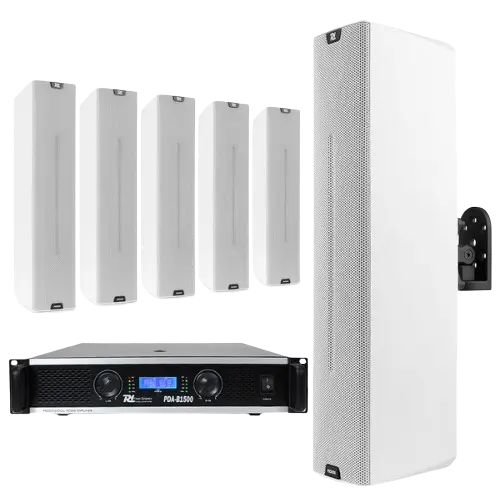
 In stock8x Amate G7 Titanium 6.5" Wall Speaker System with Amp & Media PlayerRegular Price £1,990.00 Special test Price £1,889.99
 In stock8x Amate CS7 6.5" Commercial Ceiling Speaker SystemRegular Price £1,409.99 Special test Price £1,150.00
 In stock6-Zone Commercial Ceiling Speaker System - 12x Amate CS7 6.5"Regular Price £1,990.00 Special test Price £1,609.99
 In stock4x Amate CS7 6.5" Commercial Ceiling Speaker SystemRegular Price £809.99 Special test Price £689.99
 Out Of Stock8x Amate G7 White 6.5" Wall Speaker System with Amp & Media PlayerRegular Price £2,009.99 Special test Price £1,889.99