A music system for business plays a crucial role in shaping the atmosphere of a commercial space. Whether it is soft background music in a retail store or a dynamic audio setup in a gym, the right business sound system enhances the customer experience while maintaining an engaging environment for staff. A carefully designed system provides consistent sound quality, ensuring clear audio across different areas without disrupting business operations.
Various businesses benefit from a sound system for business, including retail shops, restaurants, offices, gyms, hotels, salons, and corporate venues. In retail and hospitality, music influences customer behaviour and can encourage longer visits. In office settings, background audio reduces distractions and fosters a productive workspace. Fitness centres require robust business audio systems capable of delivering powerful sound, while salons and spas use background music to create a relaxing atmosphere.
Unlike standard home audio setups, a business music system is built for continuous operation, ensuring durability and reliability throughout extended business hours. These systems provide even sound coverage, minimising dead zones or overly loud areas, regardless of room size or shape. Additionally, they often include zoning capabilities, allowing different areas to have customised volume levels or music choices. With various installation options available, from discreet ceiling speakers to powerful wall-mounted units, businesses can select the most suitable system to match their needs.
Types of Music Systems for Businesses
Different speaker system for business setups are available, each suited to specific commercial environments. Selecting the right system ensures optimal audio coverage, clarity, and efficiency.
Ceiling Speaker Systems
Ceiling speakers are commonly used in retail shops, offices, restaurants, and hotels, where background music or public announcements are required. These systems are discreet and space-saving, blending seamlessly with the ceiling to maintain an uncluttered interior. The audio is evenly distributed, ensuring consistent sound coverage without overpowering customers or staff. Ceiling speakers are particularly effective in multi-zone setups, allowing different areas of a business to have independent volume control.
Wall-Mounted Speaker Systems
Wall-mounted speakers are an excellent choice for businesses that require directed sound projection, such as bars, gyms, and restaurants. Unlike ceiling speakers, these systems offer more focused sound delivery, making them ideal for spaces with high ambient noise. In bars and restaurants, wall-mounted speakers ensure that music reaches all seating areas without interference. In gyms and fitness studios, they provide powerful and energetic audio for workout sessions. These systems are also durable, often designed to withstand higher volume levels without distortion.
Column Speaker Systems
Column speakers are ideal for conference rooms, churches, lecture halls, and public venues, where clear speech and uniform sound dispersion are essential. Their slim design allows for easy wall placement while maintaining a broad and even audio distribution. Column speakers minimise audio reflections and provide enhanced speech clarity, making them suitable for business presentations, meetings, and events. Unlike smaller speaker types, they can cover large areas efficiently without requiring multiple units.
Portable Business Sound Systems
For events, pop-up shops, mobile businesses, and outdoor venues, portable business audio systems offer flexibility and convenience. These systems often feature built-in rechargeable batteries, wireless connectivity, and microphone inputs, making them ideal for businesses that require temporary or movable sound solutions. Portable setups are commonly used for corporate presentations, fitness instructors, trade shows, and promotional events, where clear audio is required without permanent installation. Some models also include Bluetooth functionality, allowing music streaming directly from a device.
Each business sound system type serves a distinct purpose, ensuring that businesses can deliver high-quality sound based on their specific needs. Selecting the right system depends on factors such as space size, usage, and desired audio coverage, ensuring a practical and effective setup for any commercial environment.
Key Features of a Business Music System
A business music system must be versatile, reliable, and scalable, ensuring that audio is delivered clearly across different areas of a commercial space. Several key features define an effective business audio system, allowing businesses to tailor their setup to their specific needs.
Zoning Capabilities
A sound system for business often includes zoning functionality, enabling businesses to control different audio levels or music sources in separate areas. This is particularly beneficial for restaurants, hotels, and multi-room offices, where different sections may require unique audio settings. For example, a restaurant may need soft background music in dining areas while maintaining a more upbeat atmosphere in a bar section. Zoning ensures optimal sound distribution without one area being too loud or too quiet.
Connectivity Options
Modern business sound systems offer multiple connectivity options, allowing businesses to stream music from various devices. Systems may support Bluetooth, AUX, USB, or Wi-Fi connectivity, providing flexibility in audio source selection. Wireless options like Wi-Fi and Bluetooth allow for easy music streaming from smartphones or tablets, while USB and AUX connections offer direct playback from physical media. Businesses can choose the most convenient input method to suit their operational needs.
Reliability for Continuous Use
Unlike home audio systems, a speaker system for business is designed for long operating hours without overheating or experiencing performance issues. These systems are built with durable components to ensure consistent audio output, even in environments where they are used throughout the day. Retail stores, hotels, and offices require uninterrupted background music or paging systems, making reliability a key factor in business audio system selection.
Control Methods
Many business sound systems come with various control options, allowing businesses to manage their audio setup conveniently. Control methods may include wall-mounted control panels, remote controls, or smartphone app integration. These options allow business owners or managers to adjust volume, switch music sources, and set timers without needing to access the amplifier directly. Smartphone apps offer added flexibility, enabling remote control even when away from the premises.
Scalability
A business music system should be expandable to accommodate business growth. Many commercial speaker systems support additional speakers, amplifiers, or zones, making them adaptable for larger spaces or multiple business locations. A small café with a single speaker system may later require additional speakers as it expands, making scalability a crucial consideration.
Choosing the Right Speaker System for Business
Selecting the right sound system for business depends on several key factors, including business size, audio coverage needs, installation type, and budget. Careful consideration ensures an effective setup that meets specific operational requirements.
Business Size and Layout
The size and layout of a business determine the type and number of speakers required. Open-plan offices, retail stores, and warehouses benefit from ceiling or column speakers, which provide even sound distribution without taking up floor space. Smaller businesses, such as cafés or boutique shops, may only require a few wall-mounted or portable speakers for adequate coverage. Businesses with multiple rooms may need a zoned audio system to control music levels in different sections.
Sound Coverage Needs
Different businesses require varying levels of sound intensity. Background music is sufficient for offices, retail spaces, and waiting areas, where subtle ambient sound improves customer and employee experience. In contrast, gyms, nightclubs, and event spaces need higher volume levels and powerful speaker systems capable of handling bass-heavy music. Understanding the purpose of the sound system helps businesses select the appropriate speaker type and power output.
Installation Type
Businesses must choose between fixed or portable speaker systems based on their requirements. Ceiling speakers provide a discreet, integrated solution, making them ideal for businesses that prioritise aesthetics, such as restaurants and offices. Wall-mounted speakers offer focused sound projection, commonly used in gyms, bars, and retail stores. Portable speaker systems are best suited for temporary setups, pop-up events, or mobile businesses that require flexible audio solutions.
Budget Considerations
Entry-level commercial speaker systems provide basic audio coverage for small spaces, offering an affordable option for businesses on a budget. Advanced business audio systems come with additional features such as multi-zone control, high-power output, and remote operation, making them more suitable for larger businesses or multi-room venues. Choosing the right system involves balancing quality, features, and long-term investment needs while ensuring reliable performance for day-to-day business operations.
By assessing these factors, businesses can select the most suitable business sound system for their space, ensuring effective audio coverage, ease of use, and scalability as their needs evolve.
Installation and Maintenance of a Business Audio System
Proper installation of a business music system is essential for achieving optimal sound quality and longevity. Key factors to consider include cabling, speaker placement, and power requirements. Wiring should be concealed where possible to maintain a professional appearance, particularly in retail and hospitality settings. Speaker placement should be carefully planned to ensure even sound distribution, avoiding areas with excessive reflections or dead zones. Additionally, power requirements should be checked to ensure that amplifiers and speakers receive the necessary wattage without overloading electrical circuits.
Businesses must decide between professional installation or a DIY setup. Professional installation is recommended for larger setups or businesses requiring multi-zone audio systems, as it ensures proper speaker positioning, secure mounting, and correct wiring. It also reduces the risk of audio interference or uneven sound coverage. A DIY setup may be suitable for smaller businesses using a simple plug-and-play system, such as portable or wireless speakers. However, incorrect installation can lead to reduced performance and long-term issues, making professional assistance beneficial for most setups.
Regular maintenance is necessary to keep a business sound system in good condition. Speakers should be dusted periodically to prevent debris from affecting sound quality. Cables and connections should be checked for loose fittings or wear, as faulty wiring can cause audio interruptions. Businesses should also monitor volume levels, avoiding prolonged use at maximum output to prevent speaker damage. By following these maintenance steps, businesses can ensure consistent performance and prolong the lifespan of their audio system.
Conclusion
Choosing the right business audio system is essential for providing a comfortable and engaging environment for both customers and employees. Whether used for background music, public announcements, or high-energy sound systems, a carefully selected speaker system for business enhances the atmosphere while ensuring clear and reliable audio coverage.
A well-planned business sound system provides benefits such as consistent sound distribution, flexible control options, and scalability to accommodate future expansion. The right system will be tailored to the needs of the business, whether a discreet ceiling speaker setup for a retail shop or a powerful wall-mounted system for a gym or bar.
Proper installation and maintenance ensure that the system continues to operate efficiently and reliably. By considering business size, layout, and sound coverage needs, businesses can invest in an effective and long-lasting business music system that supports their daily operations without unnecessary complexity or disruptions.



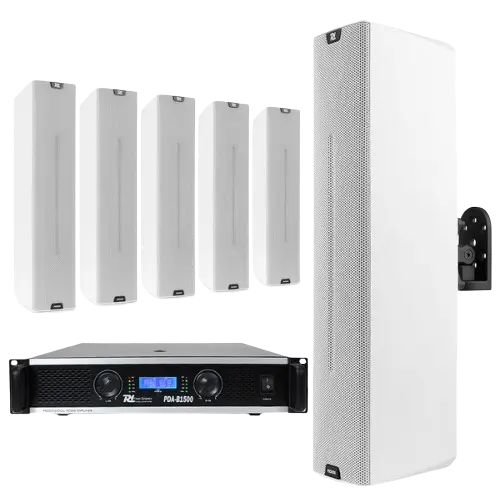
 In stock4-Zone Audio Matrix System with 16x BHW60WH Wall Speakers & Paging MicRegular Price £1,849.99 Special test Price £1,840.00
 In stock4-Zone Audio Matrix System with 32x NCSP5 5.25" Ceiling SpeakersRegular Price £1,649.99 Special test Price £1,540.00
 In stock4-Zone Audio Matrix System with 32x NCSP5 Ceiling Speakers & Paging MicRegular Price £1,709.99 Special test Price £1,579.99
 In stock6-Zone Matrix PA System with 18x PS65 Ceiling Speaker with BackboxRegular Price £1,789.99 Special test Price £1,579.99
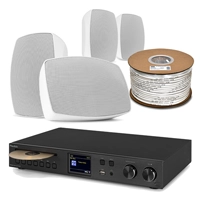 Out Of StockMusic System For Business - Audizio Brescia and 4x BHW60 Wall Speakers£629.99
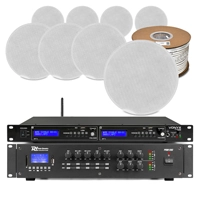 Out Of Stock2-Zone Matrix Music System For Business with 8x FCS6 Ceiling Speakers£899.99