A nightclub speaker system is designed to deliver high-output, full-range sound capable of filling large club spaces with clarity and depth. Unlike standard PA systems, a club sound system must handle prolonged use at high volumes while maintaining sound fidelity across all frequencies. These systems are engineered to reproduce deep bass, clear midrange, and crisp high frequencies, ensuring an immersive experience for clubgoers.
For a sound system for nightclub use, key factors include power handling, durability, and coverage. High power capacity ensures that sound remains clear and distortion-free even at maximum volume. Durability is essential, as nightclub speakers and amplifiers are exposed to heat, vibration, and continuous use. Coverage must be even, preventing dead spots or excessive reflections that can muddy the audio. Proper speaker placement and dispersion control are vital to achieving balanced sound throughout the venue.
Professional installation is necessary to align the club audio system with the venue’s acoustics. Room shape, ceiling height, and surface materials impact sound reflection and absorption. A well-designed nightclub sound system installation takes these factors into account, positioning speakers strategically for uniform coverage. Subwoofers need precise placement to prevent phase cancellation and maintain a tight low-end response. Proper amplifier matching and signal processing further enhance system efficiency. A tailored approach ensures that the nightclub sound system delivers clear, powerful audio, enhancing the overall club experience while preventing sound distortion or uneven distribution.
Components of a Nightclub Sound System
A club sound system consists of multiple components working together to produce high-quality, immersive audio. Each element plays a specific role in sound reproduction, ensuring clear highs, detailed mids, and deep bass.
Speakers
Nightclubs use a combination of full-range speakers, mid/high-frequency units, and subwoofers. Full-range speakers handle a wide frequency spectrum but often require subwoofers to reinforce low-end bass. Mid/high-frequency speakers deliver clear vocals and instrument details, while subwoofers produce the deep bass essential for club music.
Speaker positioning is crucial for even sound dispersion. Wall-mounted or flown speakers direct audio across the venue, while subwoofers are positioned near dance floors for powerful low-frequency impact. Passive and active speaker options exist, with active models including built-in amplifiers for simplified setup.
Amplifiers
Power amplifiers are essential for driving speakers at high volumes without distortion. A nightclub sound system requires amplifiers that match speaker impedance and power handling to prevent damage and ensure efficiency.
High-powered amplifiers prevent sound degradation by providing ample headroom. Class-D amplifiers are commonly used due to their efficiency and low heat generation. Proper amplifier selection ensures clean sound delivery, avoiding clipping and excessive power strain.
Mixers & Processors
Mixers control audio input levels, while signal processors manage equalisation, compression, and crossover filtering. Digital mixers with built-in DSP (Digital Signal Processing) allow precise control over sound shaping.
Equalisation fine-tunes frequency response, ensuring vocals remain clear and bass is tight. Compression prevents sudden volume spikes, while crossovers divide frequencies between mid/high speakers and subwoofers. Advanced processors offer real-time sound adjustment for different music genres and crowd sizes.
Cabling & Connectivity
Professional-grade cabling ensures reliable signal transmission without interference or degradation. Balanced XLR and SpeakON connections are standard for club audio system setups, providing secure, noise-free audio transfer.
Cable management is critical in nightclub sound system installation to prevent signal loss and electrical interference. Shielded cables and proper grounding reduce hum and noise. Wireless control options are also available for remote sound adjustments, streamlining system operation.
Each component plays a role in delivering a nightclub speaker system that is powerful, clear, and reliable. Proper selection and integration of these elements ensure an optimal listening experience for both DJs and clubgoers.
Choosing the Right Sound System for a Nightclub
Selecting a sound system for nightclub use requires careful consideration of venue size, layout, and acoustics. Larger venues need higher-powered speakers and additional subwoofers to maintain even sound distribution. The shape of the room, ceiling height, and surface materials all impact audio clarity. A well-designed club sound system ensures consistent sound coverage without dead zones or excessive reflections.
Different speaker configurations affect sound dispersion. Line array systems are suitable for large clubs, offering controlled vertical coverage and preventing sound loss over distance. Point-source speakers work well in smaller venues, delivering direct and punchy sound. The goal is to provide even volume levels across the dance floor while avoiding excessive sound spill into seating areas or bars.
Subwoofers are essential in club audio systems, especially for bass-heavy music. Low frequencies travel further and can be affected by room acoustics. Proper placement prevents phase issues and standing waves, ensuring tight, impactful bass. Positioning subwoofers near dance floors enhances low-end response without overwhelming other areas.
Choosing between active and passive speakers depends on system requirements. Active speakers have built-in amplifiers, simplifying setup and reducing the need for external amps. They are ideal for modular systems and smaller clubs. Passive speakers require separate amplifiers but offer greater flexibility in power distribution, making them more suitable for larger venues and permanent nightclub sound system installations. Both options must be carefully matched to avoid distortion and ensure reliable long-term performance.
Nightclub Sound System Installation & Setup
Proper speaker placement is essential for even sound coverage in a nightclub sound system. Poor positioning can create volume imbalances, where some areas are too loud while others are too quiet. High-frequency speakers should be mounted at ear level or above, angled for optimal dispersion. Subwoofers should be positioned to avoid phase cancellation and provide uniform bass response.
Managing reflections and echoes is critical in nightclub sound system installation. Hard surfaces, such as glass and concrete, can cause excessive reverberation, leading to muddied sound. Acoustic treatment, such as panels and bass traps, helps control reflections. Speaker positioning also plays a role—aiming speakers away from reflective surfaces improves clarity.
Balancing power distribution prevents amplifier overload and speaker damage. Proper amplifier matching ensures speakers receive the right power level, reducing distortion and maintaining sound quality. Using limiters and signal processors helps prevent sudden volume spikes that could damage equipment.
Soundproofing is important for preventing noise complaints while maintaining high sound levels inside the venue. Installing isolation materials, such as acoustic barriers and decoupled speaker mounts, minimises sound leakage. Compliance with local noise regulations ensures uninterrupted operation without legal issues, making a well-planned club audio system installation essential.
Maintenance and Longevity of a Nightclub Speaker System
Routine maintenance is essential to keep a nightclub speaker system operating at peak performance. Regular inspections should include checking speaker cones for wear, ensuring connections are secure, and cleaning vents to prevent dust build-up. Amplifiers and mixers should be tested for consistent output, and any signs of distortion or signal loss should be addressed immediately.
Common issues in a club sound system include overheating, driver failure, and amplifier distortion. Overheating occurs when amplifiers lack proper ventilation, leading to performance degradation or shutdown. Speaker drivers can fail due to excessive power levels or prolonged use at high volumes. Amplifier distortion is often caused by incorrect gain settings, mismatched impedance, or power supply issues. Addressing these problems early prevents costly replacements.
Best practices for extending the lifespan of a sound system for nightclub use include power management, correct storage, and protection against damage. Using power conditioners helps regulate voltage and prevents electrical surges. Keeping speakers away from excessive moisture and heat reduces component wear. Protective cases or grilles should be used to prevent accidental impacts. Properly calibrated limiters and crossovers ensure that speakers and amplifiers are not driven beyond their rated capacity, preserving sound quality over time. Regular professional servicing helps identify potential faults before they escalate, ensuring long-term reliability.
Upgrading an Existing Club Sound System
A nightclub sound system may require upgrading when sound quality degrades, power limitations arise, or technology becomes outdated. Signs that an upgrade is needed include distortion at high volumes, lack of bass depth, or uneven sound coverage. Older systems may struggle to keep up with modern audio demands, especially in larger venues where higher SPL levels are required.
Modern club audio system upgrades often include DSP-controlled amplifiers, networked audio, and wireless control options. Digital processing allows for precise equalisation and automatic room correction, optimising sound performance. Networked systems enable centralised control, making adjustments easier and more efficient.
Scalability is important for clubs looking to expand their nightclub sound system over time. Modular speaker setups allow additional speakers and subwoofers to be integrated as needed. Upgrading to high-efficiency amplifiers reduces energy consumption while improving performance. A phased upgrade approach ensures minimal disruption while gradually enhancing the system’s capabilities.
Conclusion
A well-designed nightclub speaker system is essential for delivering powerful, high-quality sound that enhances the club experience. From speaker selection to amplifier matching and sound processing, every component plays a role in achieving balanced, distortion-free audio. Proper nightclub sound system installation ensures even coverage, minimising sound reflections and dead spots for a clear and immersive experience on the dance floor.
Maintaining a club sound system is just as important as its initial setup. Routine checks on speakers, amplifiers, and cabling prevent common issues like overheating, driver failure, and distortion. Regular servicing and correct power management extend the lifespan of the equipment, ensuring long-term reliability.
As technology evolves, upgrading a sound system for nightclub use becomes necessary to meet modern audio demands. Digital signal processing, networked audio, and modular speaker configurations allow clubs to improve sound quality and expand their systems as required. Scalability ensures that the club audio system remains effective as venue requirements change over time.
Investing in the right nightclub sound system and maintaining it properly guarantees high-performance audio that keeps clubgoers engaged. Whether designing a new system or upgrading an existing setup, careful planning ensures consistent sound quality, durability, and long-term efficiency.



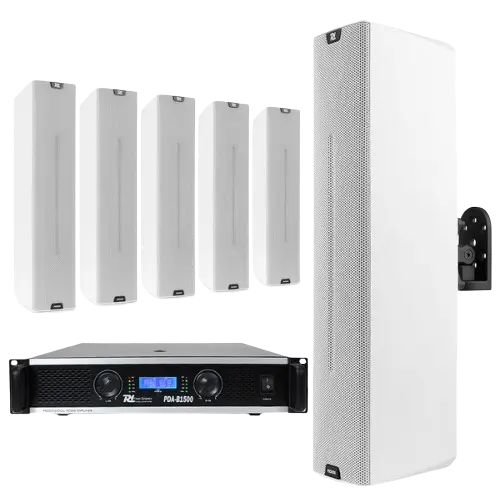
 In stockPD PDY2215A Active PA System - 2x 15" Tops, Monitors, 18" Subs & MixerRegular Price £3,629.00 Special test Price £3,469.99
 In stockPD PDY Event PA System - Dual 18" Subs & Dual 15" TopsRegular Price £5,699.99 Special test Price £5,440.00