A well-chosen music system can make a significant difference in a retail environment. By playing suitable audio, shops and showrooms can encourage customers to stay longer and feel at ease, which often has a positive effect on buying decisions. This is where music systems for retail stores come into play, as they are tailored to operate reliably throughout busy trading hours. Unlike a standard home setup, a retail sound system is built for regular use over extended periods, delivering consistent coverage without overheating or losing quality.
A retail background music system also takes into account varying noise levels and traffic, ensuring customers can hear music clearly without feeling overwhelmed. With multiple speaker placements, the audio is distributed evenly across different parts of the store, creating a uniform listening experience. This approach supports brand consistency, allowing owners to choose music that reflects the character of their business and maintains a coherent atmosphere.
At the same time, a retail stereo system provides practical control options, letting staff adjust volume or music sources quickly to respond to changing conditions. This ensures both the business and its customers benefit from a comfortable setting, demonstrating how a retail store sound system can serve as a subtle but vital part of the overall customer experience.
Key Terminology and Components
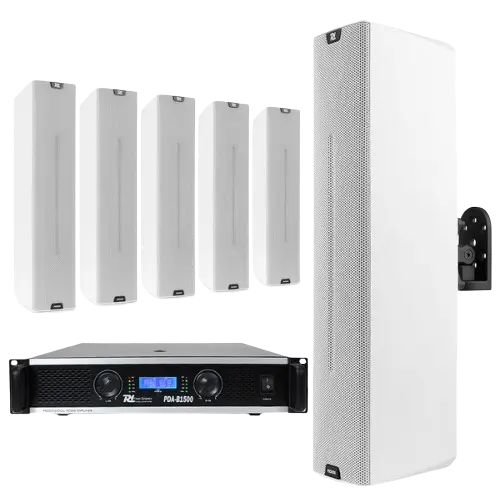
A retail background music system usually includes several core components: speakers, amplifiers, playback devices, and sometimes a mixer. The speakers disperse sound throughout the premises, while amplifiers supply the power needed for clear audio at consistent volume levels. A mixer may be added to balance multiple inputs, such as microphones or different music sources, allowing for smooth transitions and overall clarity.
These features differ from domestic setups, which are not typically designed for continuous use over long trading hours. A retail sound system places emphasis on reliability and consistent performance, ensuring the sound remains stable throughout the day. Build quality is also more robust, with commercial-grade materials intended to cope with higher demands.
Connectivity in sound systems for retail stores can vary. Some solutions rely on wired connections for maximum stability, while others incorporate wireless speakers for simpler installation or repositioning. Streaming functionality may be integrated, providing background music from dedicated services or in-house playlists.
In all cases, a retail stereo system must be able to meet both operational and aesthetic requirements. This usually involves discreet speaker placement, user-friendly controls, and reliable hardware that can handle extensive daily use, ensuring a retail store sound system supports the shop’s atmosphere at all times.
Importance of Proper Design
Proper planning is vital in ensuring consistent audio coverage across a retail premises, preventing problems such as hot spots and dead zones. By evaluating layout, interior materials, and traffic flows, store owners can determine how many speakers are needed and where they should be placed for the best results. Hard surfaces like tiled floors can reflect sound, while softer materials absorb it, influencing the overall distribution.
When a retail sound system is designed with these factors in mind, it can operate smoothly during busy periods without causing noise disturbances or a patchy listening experience. This careful approach also improves listener comfort by providing appropriate volume levels in each section of the store. For example, a checkout area may need a slightly lower level than a display zone, especially in a retail store sound system that covers multiple product sections.
Choosing commercial-grade components is equally important, as a system designed for daily use requires robust amplifiers, durable speakers, and reliable connectivity. By using the correct equipment for retail stores, brands can ensure consistent performance that supports their image. In doing so, a well-planned retail background music system creates a positive atmosphere and maintains a dependable operation over time.
System Types and Size Considerations
Sound systems for retail stores can range from simple single-zone setups to multi-zone and large-scale designs. A single-zone system suits smaller shops or boutique outlets, providing uniform sound across one area. In contrast, multi-zone solutions are geared towards medium-sized premises, where different sections might need varying volume levels or audio content. This aids businesses with distinct product sections. For large sites, such as shopping centres, a central retail sound system with multiple output channels can feed audio to various sections or floors simultaneously.
Footfall volume, store layout, and branding goals all affect the choice of retail store sound system. For instance, a narrow shop with high ceilings might need carefully positioned speakers, while a wide-open showroom may benefit from more powerful amplifiers and additional speaker placements. In a premium environment, a retail stereo system might call for higher audio fidelity, whereas busier outlets may favour robust hardware for heavier use.
By tailoring retail background music systems to specific dimensions and purposes, store owners can establish an appropriate ambience. Staff can manage the background music in each area, adapting to consumer traffic. This ensures consistent performance, ease of control, and a welcoming atmosphere that suits the requirements of different retail spaces.
Zoning and Sound Control
Multi-zone configurations are a valuable feature of a retail sound system, allowing different areas of a store to have their own volume levels or musical content. This approach is particularly useful when contrasting requirements exist within the same premises. For example, a boutique’s entrance might need music that draws attention, while a fitting room section often benefits from softer background audio. A checkout zone can be set to moderate levels so staff can interact with customers without competing against louder music.
These retail background music systems can be controlled via a central unit or, in some cases, through a mobile application, giving staff an efficient way to adjust multiple zones. By creating tailored audio environments, store owners can manage noise levels more effectively, ensuring that no single area becomes too loud or intrusive. This practical control also helps maintain a comfortable atmosphere during busy periods, when footfall is high and conversations can drown out background audio.
Through sensible zoning, a retail store sound system can deliver consistent quality and coverage, reinforcing the brand’s image across every section. Properly implemented zones streamline the entire process, offering a flexible and reliable solution that suits the needs of diverse retail environments.
Integration with Music Sources
A retail store sound system can draw from a range of audio sources, ensuring variety and adaptability to different trading periods. Common options include digital music services, which provide curated playlists or genre-focused channels, helping businesses select content that fits their ambience. Traditional radio remains an alternative, although it can include adverts and announcements that may not align with a store’s branding. Alternatively, stored playlists allow owners to control content more precisely, using music that reflects their identity.
In any of these scenarios, music systems for shops must comply with public performance licensing. This ensures that all tracks played in a commercial setting meet legal and regulatory requirements. Licensing bodies, such as PRS for Music and PPL in the UK, oversee these obligations. Failing to secure the appropriate licence could lead to fines or other penalties.
From a practical standpoint, switching sources or updating a playlist should be straightforward. Many retail background music systems feature user-friendly interfaces, either on dedicated control panels or via smart devices. With this functionality, staff can alter the music to suit the time of day, a particular promotion, or seasonal events. In doing so, a retail stereo system can be adapted quickly, contributing to a fresh and engaging retail atmosphere.
Compliance, Volume Management, and Licensing
Adhering to noise regulations is vital for any retail sound system, as it ensures both customer comfort and staff well-being. Setting a reasonable volume protects visitors from overly loud audio, while employees benefit from a safer work environment. Exceeding recommended limits can lead to complaints from neighbouring businesses or local authorities, so many retail background music systems use volume limiters to keep sound within acceptable bounds.
Licensing responsibilities are another key consideration for these systems for retail stores. In the UK, playing commercial music in a public setting typically requires a licence from organisations such as PRS for Music and PPL. Without these licences, owners could face fines and legal issues, so staying compliant is essential.
Beyond volume and licensing, health and safety practices help staff operate a retail stereo system correctly. This might involve training on safe handling of cables and amplifiers, as well as awareness of potential trip hazards from poorly routed wires. Fire safety regulations also apply when installing equipment, ensuring that no hazards are created within the premises. By paying attention to these points, a retail store sound system can function legally, safely, and in a way that supports both business aims and regulatory standards.
Installation and Maintenance
Installing a retail background music system typically involves careful speaker placement to achieve even coverage, secure mounting to ceilings or walls, and routing cables out of public walkways. Once the main components are in place, technicians carry out a system test to confirm that music sources and amplifiers work together without distortion. Where a retail store sound system covers multiple zones, installers ensure that each area receives the correct volume and tone levels for its purpose.
Professional installation is particularly recommended for complex or large-scale setups, where wiring and configuration demand specialist expertise. Commercial-grade equipment often requires precise adjustment, ensuring long-term reliability. Once in operation, these music systems need periodic checks to maintain consistent performance. This may include cleaning dust from vents, inspecting cables for wear, and verifying that amplifiers and speakers continue to function correctly.
Minor troubleshooting can often be handled in-house, such as resetting wireless connections or checking fuse boxes for power supply issues. If more serious faults occur, contacting a qualified technician helps resolve them promptly. With regular attention, a retail stereo system can provide dependable service that contributes to a positive customer experience and supports day-to-day activities without interruption.
Brand Identity and Customer Experience
Selecting the right style of background music can influence overall brand perception and foster stronger customer engagement. Gentle music can encourage a relaxed pace, while more energetic tracks may create a lively environment. By tailoring audio content to align with a store’s theme or target demographic, businesses can convey consistency.
For instance, a boutique with high-end fashion might benefit from soft, understated tracks that reflect a sense of sophistication, while a sports retailer could opt for upbeat tunes to maintain an energetic setting. A carefully planned retail sound system can help position the brand as welcoming and professional. Through retail background music systems with multiple playlists or stations, it becomes simpler to adapt the vibe as the day progresses or during special promotions. This flexibility ensures the atmosphere remains suitable for different activities, such as peak shopping periods or quieter weekday hours.
By combining thoughtfully chosen music with the right retail stereo system, shops can boost customer comfort and support purchasing decisions. Pleasant audio encourages visitors to linger, which may lead to increased interest in products. In this way, the use of music systems for retail stores serves as a practical tool for consistent branding and a positive customer experience.
Conclusion
Effective planning is a key aspect of any music system for a retail setting, starting with an assessment of store size, layout, and visitor traffic. Installing the correct speakers and amplifiers ensures consistent coverage, while zoning allows separate volume or content in distinct areas. This approach caters to varied requirements, such as quieter fitting rooms and livelier product displays. Sound quality and durability matter too, so professional installation and periodic maintenance prevent disruptions or damage.
A carefully chosen retail store sound system can also support licensing obligations, meeting public performance requirements. By maintaining the right volume levels and using reliable equipment, business owners stay on the right side of regulations and safeguard their reputation. Furthermore, staff benefit from straightforward control panels or mobile applications, enabling quick adjustments to suit different times of day or promotional events. Music selection is equally important.
By choosing content that aligns with brand identity, retailers reinforce a recognisable atmosphere. Regularly updating playlists ensures variety and stops repetition from distracting shoppers. For day-to-day running, basic troubleshooting knowledge can resolve minor problems without delay.
Overall, combining smart design, suitable hardware, and targeted music keeps a retail stereo system performing smoothly, creating an environment that encourages customer engagement.



 In stock4x Amate CS7 6.5" Commercial Ceiling Speaker SystemRegular Price £809.99 Special test Price £689.99