A 12V amplifier and 24V amplifier are designed for mobile audio systems, providing power to speakers in vehicles, boats, motorhomes, and other leisure craft. Unlike home amplifiers that rely on mains electricity, these amplifiers operate on DC power, making them suitable for use in vehicles where AC power is not readily available. They serve as the backbone of an in-vehicle or marine audio system, ensuring clear and powerful sound output.
A 12 volt DC amplifier is most commonly used in standard cars, campervans, and smaller boats. It connects directly to a 12V battery, offering a compact and efficient solution for powering speakers. For larger vehicles such as lorries and motorhomes, a 24V amplifier is required to match the higher voltage electrical system. Using the correct voltage prevents power mismatches, optimising performance while protecting the vehicle’s battery.
Compared to home amplifiers, 12V and 24V amplifiers offer key advantages. They are designed for continuous operation on low-voltage power sources, meaning they consume less energy while maintaining stable performance. Their compact size ensures easy installation in confined spaces, such as behind dashboards, under seats, or within control panels on boats. Additionally, they are built for durability, with features like overload protection, thermal management, and weather-resistant casings in some marine models.
For users seeking reliable, high-quality audio in a mobile environment, a 12V power amplifier provides the necessary power boost without the bulk or inefficiencies of household amplifiers. Whether enhancing in-car entertainment, upgrading a motorhome’s sound system, or installing speakers on a boat, these amplifiers offer an efficient, space-saving solution for mobile audio applications.
Types of 12V/24V Audio Amplifiers
12V power amplifiers are compact and efficient, making them ideal for use in cars, campervans, and small boats. These amplifiers are designed to deliver clear audio output without excessive power drain, ensuring that vehicle batteries are not overloaded. They are available in different wattage levels to match speaker requirements, from basic models suitable for background music to high-power units capable of driving subwoofers.
A 12V Bluetooth amplifier offers additional convenience by enabling wireless audio streaming. This type of amplifier allows users to connect their smartphones, tablets, or Bluetooth-enabled devices directly to the system, eliminating the need for wired connections. It is particularly useful for campervans, boats, and leisure vehicles, where minimising cable clutter is essential. Many models also feature built-in volume and playback controls, making them an all-in-one solution for mobile entertainment.
For larger vehicles such as motorhomes, lorries, and commercial trucks, a 24V amplifier is required. These amplifiers are built to handle higher voltage systems, ensuring stable performance without the need for voltage converters. Many 24V amplifiers support multi-zone audio setups, making them suitable for larger cabins and multiple speaker configurations.
In addition to voltage differences, amplifiers are available in mono, stereo, and multi-channel configurations:
- Mono amplifiers are typically used for subwoofers, providing a dedicated power source for low-frequency sounds.
- Stereo amplifiers are the most common type, designed to power left and right speaker channels for balanced audio output.
- Multi-channel amplifiers can drive multiple speakers, making them ideal for boats, campervans, or vehicles with complex sound systems.
Choosing the right amplifier depends on the audio requirements, vehicle power system, and intended usage. A 12V Bluetooth amplifier is suitable for simple, wireless setups, while a 24V amplifier is necessary for high-power installations in larger vehicles. Mono, stereo, and multi-channel options allow users to tailor their system for the best audio experience.
Applications and Compatibility
12V and 24V amplifiers are designed for use in vehicles, boats, and leisure craft, providing a reliable power source for audio systems in mobile environments. These amplifiers are built to operate on DC power, making them an essential component in situations where mains electricity is unavailable.
In cars, a 12V amplifier is the most common choice, allowing for a compact and efficient in-car audio setup. These amplifiers connect directly to the 12V battery system, powering speakers without the need for additional voltage converters. They are ideal for enhancing factory audio systems or supporting subwoofers for improved bass response.
Campervans and motorhomes also rely on 12V audio amplifiers to power sound systems while off-grid. These amplifiers are energy-efficient, ensuring they do not place excessive strain on the vehicle’s leisure battery. Many models include Bluetooth connectivity, allowing users to wirelessly stream music in confined living spaces without additional wiring.
For boats and other leisure craft, a 12V amplifier is often required, although larger vessels may use 24V amplifiers depending on their electrical system. Marine-grade amplifiers are built for durability, with water-resistant casings and corrosion-resistant components to withstand moisture, salt exposure, and temperature fluctuations.
Commercial vehicles and trucks typically operate on a 24V electrical system, meaning a 24V amplifier is necessary. These amplifiers are used in long-haul trucks, emergency response vehicles, and public transport, ensuring clear communication and high-quality audio for entertainment or announcements.
When choosing an amplifier, compatibility with speakers and subwoofers is essential. The amplifier’s power output should match the speaker’s impedance and wattage rating to avoid distortion or equipment damage. Proper installation includes ensuring the correct wire gauge is used and that the amplifier is safely mounted in a ventilated area to prevent overheating.
Key Features and Functions
The power output of a 12V power amplifier or 24V amplifier is a key factor in determining its suitability for an audio system. Lower-powered models are suitable for basic speaker setups, while higher-wattage amplifiers are required for larger speakers or subwoofers. Matching the speaker impedance (ohms) and amplifier power (watts RMS) ensures a balanced and distortion-free sound.
For input and connectivity, most 12V and 24V amplifiers offer multiple options:
- RCA and AUX inputs allow direct connection to head units, smartphones, and audio devices.
- Bluetooth functionality in a 12V Bluetooth amplifier provides wireless streaming, eliminating the need for additional cables. This is particularly useful in campervans, motorhomes, and boats, where space and cable management are concerns.
To ensure efficiency and long-term durability, many 12V and 24V amplifiers include protective features, such as:
- Low power consumption to minimise strain on the vehicle’s battery.
- Thermal protection and overload safeguards, which prevent overheating, short circuits, and voltage fluctuations.
- Weatherproof or rugged casing, particularly in marine amplifiers, ensuring resistance to water, dust, and corrosion.
Proper selection of a 12 volt DC amplifier or 24V amplifier depends on power requirements, connectivity needs, and environmental conditions. Models with built-in Bluetooth, multiple input options, and robust protection features offer flexibility for different vehicle and leisure applications.
Installation Considerations
Proper installation of a 12V amplifier or 24V amplifier is crucial for safe operation and optimal audio performance. Whether installing in a car, campervan, boat, or truck, following the correct steps ensures reliable power delivery and clear sound output.
Step-by-Step Installation for a 12 Volt DC Amplifier
- Choose a mounting location – Select a ventilated area away from heat sources and moisture. Common locations include under seats, in the boot, or behind panels.
- Connect to the power source – A 12V power amplifier should be wired directly to the vehicle’s battery using the appropriate gauge wire. A fuse must be installed within 30cm of the battery to prevent electrical faults.
- Grounding – A secure ground connection is essential to avoid unwanted noise and performance issues. Attach the ground wire to an unpainted metal surface using a short, thick cable.
- Speaker connections – Match the speaker impedance (ohms) and amplifier power (watts RMS) to prevent damage. Ensure positive and negative terminals are correctly wired.
- Input connections – If using an RCA or AUX input, connect the amplifier to the head unit or audio source. For a 12V Bluetooth amplifier, pair the device wirelessly.
- Test the system – Before finalising the installation, turn on the amplifier and check for distortion, overheating, or electrical noise. Adjust gain settings if needed.
Power Considerations for 24V Amplifiers
24V amplifiers require a direct connection to a 24V battery system, typically found in trucks, buses, and larger boats. Using a 12V amplifier in a 24V vehicle requires a voltage converter, as direct connection may cause damage or void warranties.
Wiring and Safety Precautions
- Use the correct wire gauge – Longer runs require thicker cables to minimise voltage drop.
- Secure all wiring – Avoid loose cables that could cause shorts or interfere with vehicle operation.
- Protect against overheating – Ensure adequate ventilation around the amplifier.
- Check fuse ratings – Always match the amplifier’s power rating with the correct fuse size.
A correctly installed amplifier will provide clear, uninterrupted sound while ensuring battery efficiency and system longevity.
Choosing the Right 12V/24V Amplifier
Selecting the best 12V power amplifier or 24V amplifier depends on multiple factors, including power output, connectivity, and vehicle type. Understanding these considerations ensures the amplifier meets the system’s requirements without unnecessary strain on the vehicle’s electrical supply.
Power Output vs. Speaker Requirements
- A higher wattage amplifier is needed for large speakers or subwoofers, while lower-power models are sufficient for standard in-car audio.
- Ensure the amplifier’s power matches the speaker’s RMS rating to avoid distortion or damage.
- Impedance matching (ohms) is critical—using an amplifier with incompatible speakers can result in reduced performance or system failure.
Connectivity Needs: Wired vs. Bluetooth
- A wired amplifier with RCA or AUX inputs is best for users who prefer direct connections to head units or audio sources.
- A 12V Bluetooth amplifier provides wireless streaming, making it ideal for campervans, boats, and mobile setups where reducing cable clutter is beneficial.
- Some models feature multiple inputs, allowing a combination of wired and wireless audio sources.
Vehicle Type and Power System
- A 12V amplifier is the standard choice for cars, campervans, and small boats, as they operate on a 12V DC system.
- A 24V amplifier is necessary for trucks, buses, and motorhomes, which use higher voltage electrical systems.
- Using the wrong voltage can cause electrical damage, so ensuring compatibility with the vehicle’s battery system is crucial.
Common Concerns: Battery Drain, Heat Management, and Space Limitations
- Battery drain – Low-power amplifiers are preferable for small vehicles, while high-wattage models require upgraded batteries or alternators to prevent excessive power consumption.
- Heat management – Overheating can lead to automatic shutoff or long-term damage, so proper ventilation and positioning are necessary.
- Space limitations – Compact amplifiers are better suited for cars and boats with limited space, while larger models can be installed in motorhomes and trucks with dedicated mounting areas.
By considering power needs, vehicle compatibility, and connectivity options, users can select a reliable, efficient amplifier that delivers optimal performance in any mobile environment.



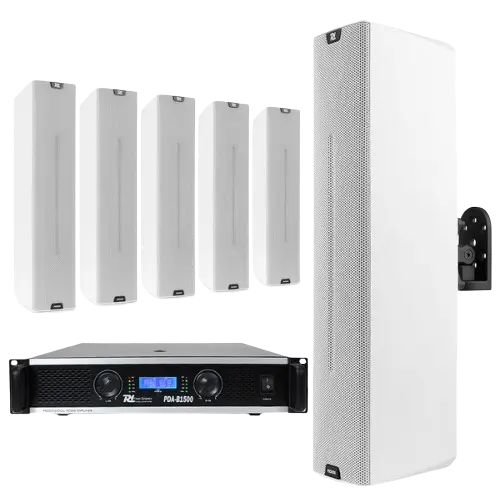
 In stockPRM120 100V 5-Ch Mixer-Amplifier 120WRegular Price £239.00 Special test Price £225.00
 In stockPD PDV120MP3 - 4 Zone Mixer Amp - Bluetooth/MP3/FM 120w 100v£339.95
 In stockPRS240 100V Slave Amplifier 240W£219.95
 In stockPD PRS120 100V Line Slave Amplifier£149.99
 In stockPD PPA30 100V PA Mixer AmplifierRegular Price £105.00 Special test Price £99.00
 In stockPD PBA120 100V Line Amplifier 120W£249.95
 In stockPD PDV360MP3 4 Zone Matrix AmplifierRegular Price £519.00 Special test Price £477.48