


A wireless microphone can completely change how you manage audio in a commercial setting. Whether you're setting up for a conference, kitting out a fitness studio, or running live events, the freedom of going wireless makes things simpler, neater, and far more practical.
Gone are the days of tangled leads and limited movement. With a wireless system, your presenters, performers, and instructors are free to move around without being tied to a mic stand or a mixer by a long cable. This is especially useful in busy environments where safety, flexibility, and ease of use are key.
Wireless microphones are not just about cutting the cord; they’re about keeping things professional and efficient. UHF technology, now common in most systems, helps reduce interference and delivers a reliable signal across long distances, even in spaces packed with people and electronic equipment.
From handheld microphones for public speaking to discreet headset and lavalier options for more active or subtle use, there’s a solution for every kind of commercial venue. And because everything is portable and often plug-and-play, setup is quick and straightforward, ideal for businesses that need to be up and running without delay.
In this guide, we’ll explore the different types of wireless systems available, how they work, and which ones might suit your space best. We’ll also highlight some popular examples to help you make the right decision based on your setup and audience.
If you’re considering upgrading your audio setup, this is a great place to start.

Understanding UHF Wireless Microphone Technology
Before choosing the right setup, it’s helpful to understand how a wireless microphone actually works. At its core, the idea is simple: instead of sending sound through a cable, the microphone transmits audio using radio frequencies to a receiver connected to your sound system.
Most commercial systems now use UHF (Ultra High Frequency) signals. A UHF wireless microphone provides better range and fewer dropouts than older VHF models. UHF signals are also less likely to clash with other devices, making them ideal for busy environments like conference centres, schools, and live venues.
The signal starts at the transmitter, which is built into the mic or bodypack. This transmits audio wirelessly to a receiver unit, which then sends the signal into your mixer, amplifier, or PA system. It’s a simple chain, and once it’s set up, most systems work reliably with very little adjustment needed.
You may also come across terms like “diversity” and “true diversity.” These refer to how the receiver handles signal dropouts. True diversity systems use two antennas and choose the stronger signal, which is great for larger venues or tricky layouts with obstacles.
A microphone wireless system can come in several forms, including handheld, headset, lavalier, or a combination. Each type has its own benefits, and many systems allow for multiple microphones to be used at once.
Overall, the technology is reliable, easy to use, and ideal for commercial setups. Whether you’re hosting a seminar, running a stage show or holding a church service, a good wireless microphone headset, lavalier, or handheld system helps you focus on what matters: being heard, clearly and confidently.

Wireless Handheld Microphones: Simple, Reliable, Versatile
If you’re after something straightforward and dependable, a wireless handheld microphone is a great choice. These are the classic style mics you’ll see used by presenters, performers, and public speakers. They’re ideal for situations where holding the mic feels natural; think speeches, interviews, or singing.
Handheld systems are easy to set up and quick to get going. With the transmitter built right into the microphone, there’s no need for a separate bodypack. This keeps things tidy and simple, especially useful in fast-paced environments.
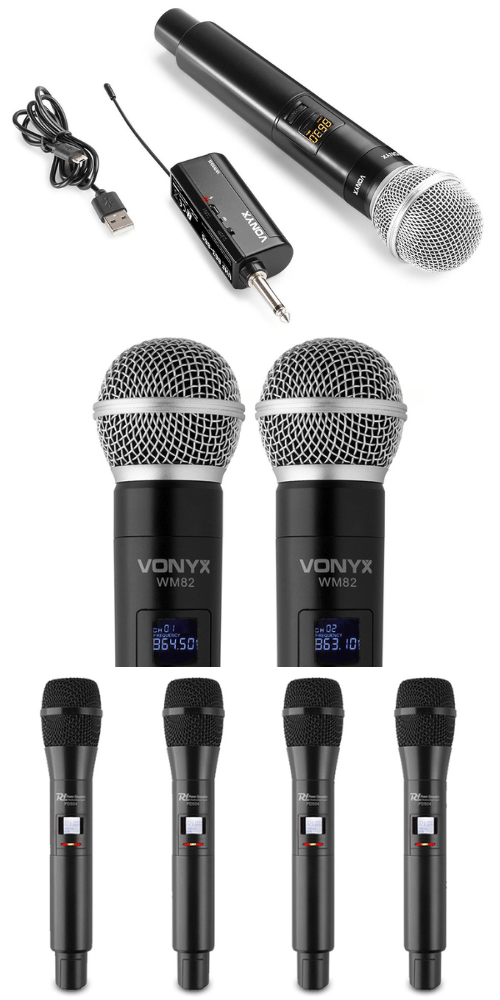
One of the most convenient options is the Vonyx WM55 Handheld Wireless Microphone. It’s a plug-and-play UHF wireless microphone that’s perfect for events, meetings, and small performances. Its compact receiver plugs directly into a sound system, so there’s minimal gear to manage. The receiver is powered by a rechargeable battery, while the mic comes with two AA batteries, providing a truly wireless experience.
For larger setups, the Vonyx WM82 offers a two-channel solution. It includes two wireless microphones which operate on different channels, allowing two users to speak at once. This makes it ideal for interviews or dual-presenter events where coordination is key. Conveniently, the receiver features independent volume controls for each microphone.
Need to mic up a whole panel or a group? The Power Dynamics PD504H comes with four handheld microphones and a single rack-mountable receiver. It’s great for conferences, training sessions, or any setting where multiple speakers need to be heard clearly. Users can easily assign a channel to each microphone so they can be used simultaneously, and there is a mute function and separate volume control for each mic.
These systems all use UHF technology to keep interference low and signal strength high, even in busy locations. A good microphone wireless setup like this gives you flexibility without fuss, just grab the mic and you’re ready to go.
Wireless Headset Microphones: Perfect for Hands-Free Use
Sometimes you need both hands free and a microphone that stays put no matter how much you move. That’s where a wireless microphone headset comes into its own. Whether you're leading a fitness class, giving a lecture, or presenting on stage, headset mics offer clear audio without getting in the way.
The mic is worn on the head, with a small, lightweight bodypack clipped to your belt or pocket. This transmits your voice to the receiver using UHF signals, giving you reliable performance with minimal interference.
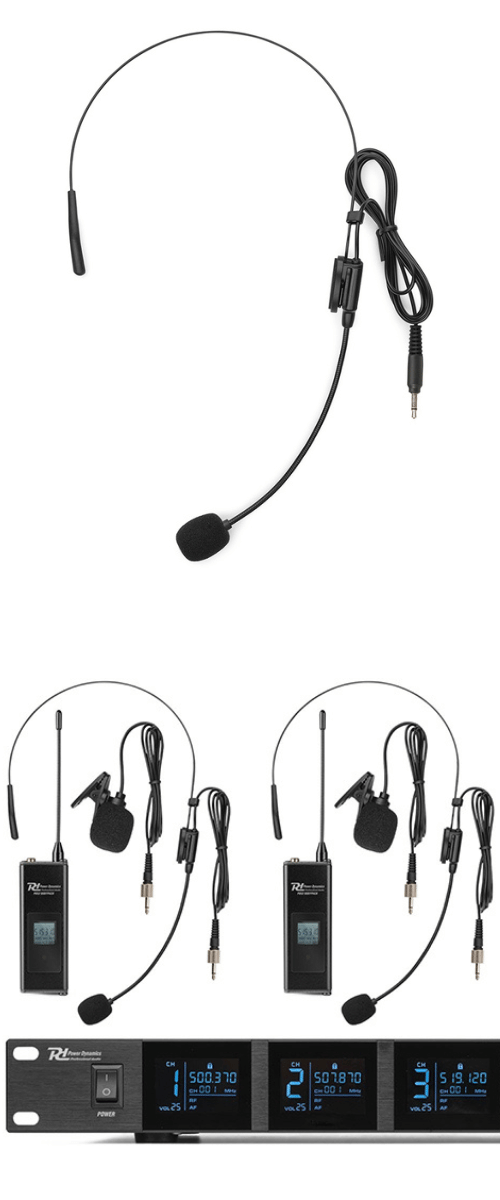
For something straightforward, the Vonyx WM55B Wireless Headset Microphone is a great starting point. It’s compact, easy to use, and ideal for smaller venues, studios, or mobile presenters. The headset is comfortable, and the UHF wireless microphone connection keeps your voice steady and strong. For versatility, it also comes with a tie-clip/lapel microphone, so you can switch between the two to suit your preferences.
The included receiver simply plugs into your mixer, mixer-amplifier or active speaker, and is powered by a rechargeable battery for ease of use. While the bodypack microphone requires two AA batteries (provided). It’s a great choice for schools, training events, or anywhere you need a clear voice and freedom to move.
For larger events or multi-speaker setups, the Power Dynamics PD524B is ideal. It comes with four headset microphones and four bodypacks, all feeding into one receiver. It’s perfect for theatre groups, panel discussions, or conferences with multiple presenters. Lapel attachments are also provided for each bodypack microphone system to suit different needs.
The receiver has a clear display for each channel, clearly displaying the channel frequency, volume and mute status. The bodypacks can be conveniently recharged via USB charging ports on the rear of the receiver in between uses, eliminating the need for disposable batteries.
These systems give you the ability to move around naturally while being fully heard. A microphone wireless headset setup keeps everything tidy and professional, especially when you’ve got a busy space and an audience that needs to hear every word.
Wireless Lavalier Microphones: Discreet and Professional
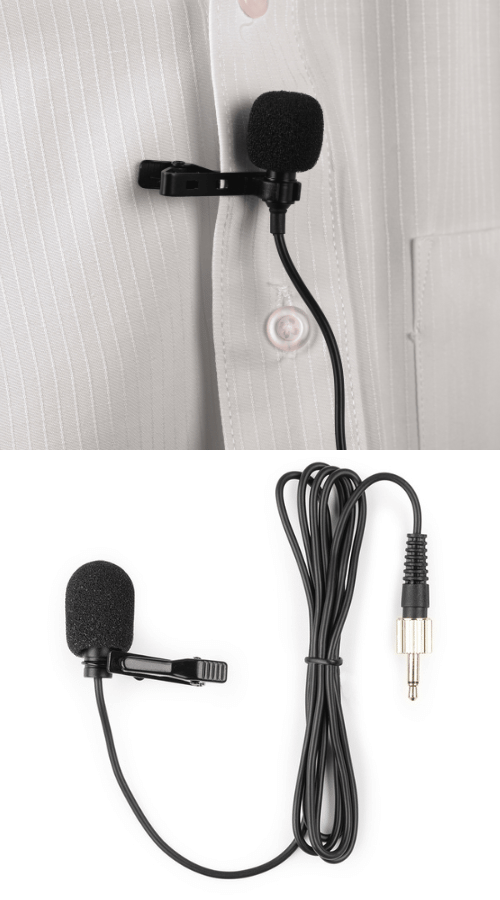
If you need something low-profile that still delivers great sound, a wireless lavalier microphone is a smart choice. Also known as lapel and tie-clip mics, these clip discreetly onto clothing, making them ideal for business presentations, interviews, or public speaking where a handheld mic would feel out of place.
A lavalier mic connects to a small bodypack transmitter, which sends the signal wirelessly to a receiver. This setup allows the speaker to move naturally without drawing attention to the microphone. It’s a popular option in corporate settings, education, and video production. Because lavalier mics are clipped close to the speaker’s mouth, they offer excellent vocal clarity while keeping hands and faces fully visible.
The majority of our headset wireless mic systems also include a lavalier option, enabling the user to switch between the two to suit personal preference and different applications.
An example is the PD220B Dual Wireless Headset and Lavalier Microphone System, which includes two bodypacks with both headset and lavalier options. It’s a dual-channel system, so you can run two mics at once, great for interviews, panel talks, or joint presentations.
The PD220B also features true diversity technology. This means it uses two antennas and selects the strongest signal at any given time, which helps maintain a stable connection and avoid dropouts even in tricky environments. This added reliability makes a real difference in commercial settings.
Whether you’re recording training videos, leading seminars, or addressing an audience in a conference room, a microphone wireless lavalier system delivers clear, consistent audio in a subtle package. It’s all about staying heard, without being seen.
Dual Systems: Flexibility in One Package
Sometimes, a single type of microphone isn’t enough. That’s where dual systems come in. These setups include both a wireless handheld microphone and a wireless headset/lapel microphone in one kit, giving you flexibility to adapt to different speakers, settings, or events.
A dual system is ideal for venues with a rotating line-up of users, like churches, schools, community halls, or training centres. One person might prefer to speak hands-free, while another might feel more comfortable with a mic in hand. With both options ready to go, there’s no need to swap equipment between sessions.
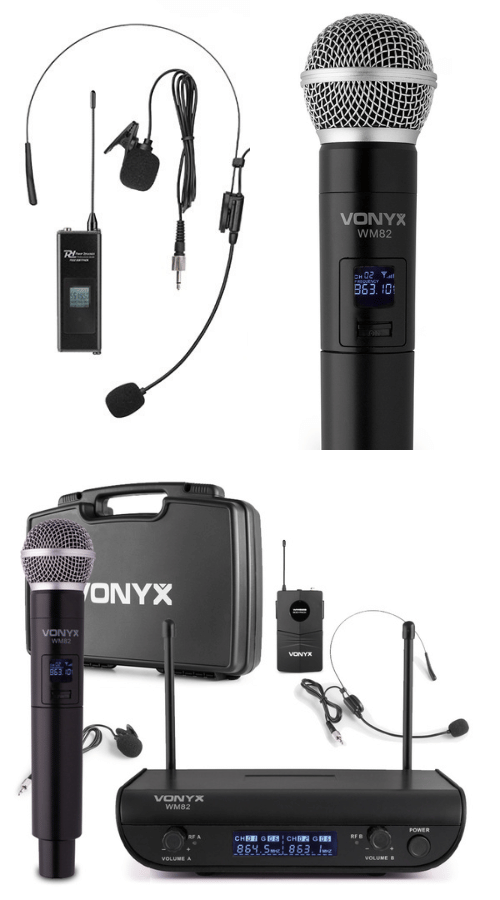
A great example is the Vonyx WM82C Dual Wireless Microphone System. This system includes one handheld mic and one headset/lapel microphone with bodypack, both operating on separate UHF channels. That means they can be used at the same time with no interference, offering full flexibility for your event or presentation.
The receiver unit has clear displays for channel and signal strength, so it’s easy to manage during use. Whether you’re running a fitness class followed by a group meeting, or hosting a stage performance with different needs, the WM82C system covers it all.
Dual systems also cut down on the need to buy multiple separate kits. Everything you need comes in one box, making setup quicker and storage simpler.
If you’re looking for a practical microphone wireless solution that can adapt to your venue’s demands, a dual system is well worth considering. It’s the smart way to stay prepared, whatever’s on the schedule.

Choosing the Right Wireless Microphone for Your Space
With so many options available, it’s important to choose the wireless microphone system that suits your space and setup. The right choice depends on how the mic will be used, who’s using it, and the environment it’ll be working in.
Start by thinking about the type of microphone that fits the job. A wireless handheld microphone is ideal for speakers who don’t mind holding something, or for performances where mic control is important. They're also great for quick handovers between users.
If hands-free movement is key, such as in fitness classes, theatre, or presentations, a wireless microphone headset is the way to go. These keep the mic in a fixed position near the mouth, even while moving around, ensuring consistent sound.
For a more discreet setup, especially in formal settings like interviews or boardroom presentations, a lavalier (lapel) mic is a tidy option. These offer clear audio without drawing attention, and they’re great for video recording too.
Consider how many microphones you’ll need at once. Some systems support a single user, while others allow two or even four or eight mics to run at the same time on different channels. If you’ve got several people speaking at once, make sure your system can handle it.
You’ll also want to stick with UHF systems for most commercial environments. A UHF wireless microphone offers better signal stability and is less likely to clash with other electronics in the area.
Ultimately, choosing the right microphone wireless system is about matching the features to your needs. A bit of planning goes a long way to making sure everyone can be heard, loud and clear.
Installation and Setup Tips
Setting up a wireless microphone system is generally straightforward, but there are a few tips that can make things smoother and help avoid common pitfalls.
Start by positioning the receiver properly. It should be in line of sight with the microphone transmitter wherever possible, and away from metal objects or other electronic gear that could interfere with the signal. Mounting it in a rack or placing it on a stable surface works well in most setups.
Make sure you're using fresh or fully charged batteries in your handheld mic or bodypack. Weak batteries are one of the most common reasons for dropouts or distorted sound. Always keep spares nearby, especially for longer events.
If your system allows multiple frequencies or channels, take a moment to check that each microphone is on a different channel. This prevents signal clashes when using more than one mic at the same time. Most modern UHF wireless microphone systems make this easy with clear digital displays.
Do a quick sound check before your event starts. Walk around the space while speaking into the mic to test for any dead spots or interference. If you notice issues, try adjusting the receiver’s position or changing channels.
If you're using a wireless microphone headset or lavalier attachment, make sure it’s positioned correctly, not too close to the mouth, and not rubbing against clothing. A clear path between the transmitter and receiver helps keep the audio steady.
Finally, keep cables tidy and tape down anything on the floor to avoid trips. A clean, well-organised setup keeps everyone safe and lets your microphone wireless system do its job without fuss.

Maintenance and Longevity: Getting the Most Out of Your System
Once you’ve invested in a wireless microphone system, a bit of regular care will keep it working smoothly for years to come. These systems are built to last, but like any equipment, they benefit from proper handling and upkeep.
Start by looking after your batteries. Always remove them after use if the microphone won’t be in action for a while. This prevents leakage and corrosion inside the battery compartment. Use rechargeable batteries where possible to save money and reduce waste.
Keep your headset or lavalier microphones clean. Sweat, dust, and makeup can build up on the mic or foam cover, affecting sound quality over time. Gently wipe them down with a dry cloth after each use. Avoid using water or strong cleaning products.
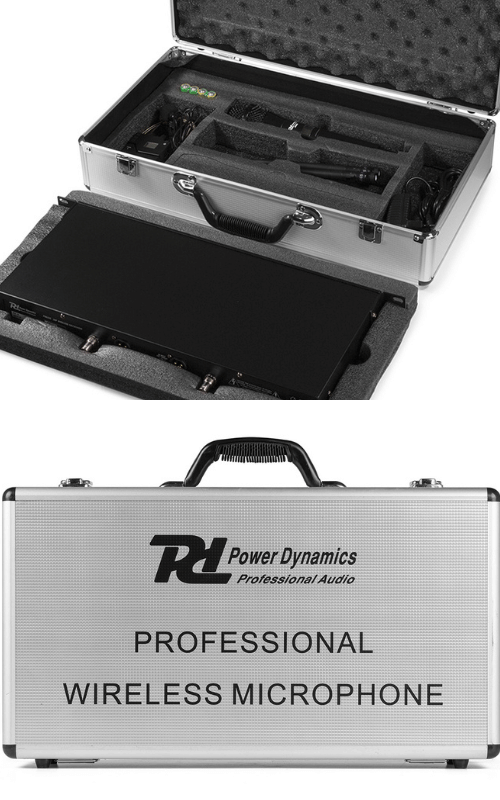
Store your system properly when not in use. Keep all parts: microphones, bodypacks, receivers, and cables, in a dry, padded case or a dedicated storage drawer. Avoid leaving the gear in hot vehicles or damp rooms, as this can cause damage.
Check the aerials regularly and tighten any loose fittings. Also, inspect the connectors and sockets now and then to ensure everything is secure and in good condition.
If you’re running a microphone wireless setup with multiple users, it’s worth labelling each mic or bodypack. This helps with troubleshooting and keeps your team organised.
With just a bit of routine care, your wireless system will stay reliable and ready for whatever your venue throws at it. Look after it, and it’ll look after your sound.
Conclusion: Ready to Go Wireless?
Whether you're running live events, leading classes, hosting meetings, or recording content, a wireless microphone system can make a real difference. It gives you freedom to move, a cleaner setup, and professional sound, all without the hassle of cables.
From wireless handheld microphones to wireless microphone headset systems and discreet lavalier options, there’s something to suit every type of venue and user. UHF technology keeps your signal stable and interference low, even in busy spaces.
We’ve covered a range of practical and reliable options, including plug-and-play kits, multi-channel systems, and dual setups for added flexibility. Whatever your space or budget, there’s a microphone wireless system to match.
If you're not sure which setup is right for you, we’re here to help. Take a look at our full range of wireless microphones to find the right solution for your needs.
If you’ve got any questions or want a bit of advice, feel free to get in touch. Our team’s always happy to chat through options and make sure you find the best fit for your space.
